
Skip to content

Conduct

Forced Exertion as Hazing: Injuries, Legal Questions, and What the Law Considers

National · laws differ by state · Updated November 11, 2026

Free Case Evaluation
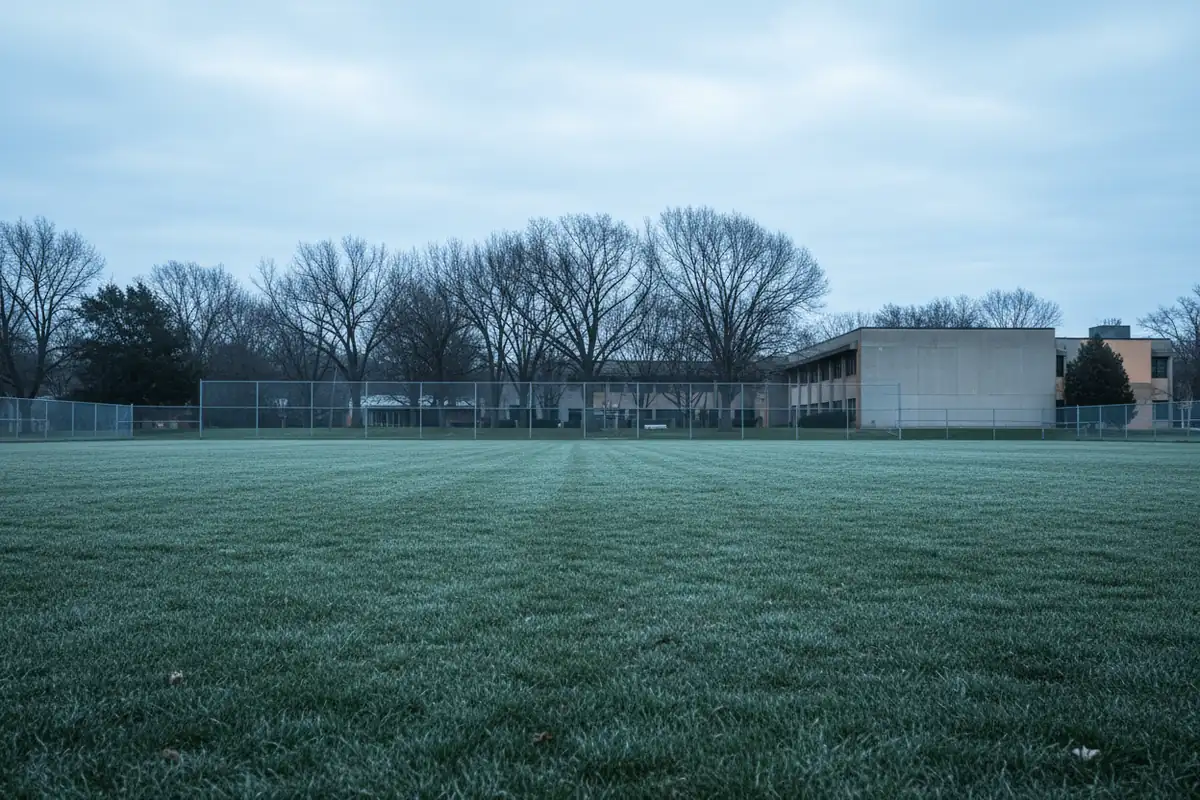
A dew-covered university athletic field at dawn, where forced exertion hazing injuries often occur.
Immediate answer

Forced exercise hazing can lead to rhabdomyolysis or heat stroke. Here is how the law frames these injuries, who may be answerable, and which records matter.

On this page
  1. What Forced Exertion Hazing Is and How the Law Defines It
  2. The Injuries Forced Exertion Can Cause
  3. Who May Be Answerable When Forced Exertion Causes Harm
  4. Why the Setting and Conditions Matter to a Legal Claim
  5. Records That Tend to Matter in Forced Exertion Cases
  6. How Limitation Periods and Fault Rules Differ by State
  7. Questions Worth Asking Before Deciding How to Proceed
  8. Frequently asked questions
  9. Sources

If you or your child was made to do punishing workouts, runs or drills to join or stay in a group, that can be hazing. Forced exertion can cause serious medical harm, including muscle breakdown that injures the kidneys and heat stroke. Whether anyone is legally responsible depends on what happened, who directed it, and which state's law applies.

Most people facing this are trying to make sense of something that happened fast. A night of push-ups or sprints that was supposed to be a rite of passage ended in an emergency room. Or a parent is now reading lab results they never expected to see. You may be wondering whether what happened has a name in the law, how serious the injury really is, and whether anyone besides the student carries responsibility for it. This page walks through each of those questions in plain terms, for a student who was hazed or a family trying to understand what came next.

What Forced Exertion Hazing Is and How the Law Defines It

Hazing, in plain words, is harmful treatment someone is put through as the price of joining or staying in a group. Forced exertion is one form of it: physical activity a person is pushed to endure, not freely chooses. It can look like compelled calisthenics, forced runs, long periods of exposure to heat or cold, sleep deprivation combined with physical activity, or drinking alcohol paired with exercise.

The U.S. Department of Education gives a federal definition in the Federal Student Aid Handbook. It defines hazing as:

"Any intentional, knowing, or reckless act committed against a person, regardless of their willingness to participate, that occurs during initiation, affiliation, or maintenance of membership in a student organization and causes or creates a risk of physical or psychological injury above the reasonable risk encountered at the institution of higher education or the organization."

That definition exists for reporting. It tells colleges what to count and disclose. It is not the legal test a court uses to decide a civil injury claim. Still, two of its phrases matter to families: "regardless of their willingness to participate," and a risk "above the reasonable risk" of ordinary campus or group life. A student who went along under pressure is still within its terms.

For you, this means a coach-style workout and a hazing workout are not the same thing in the eyes of federal reporting rules, even if both involved running. What you may want to weigh is how the activity was tied to membership and who set it.

Most states also have their own hazing laws, and those laws differ from one another. No single state's rule applies everywhere. A broader look at how claims are built appears on the hazing injury lawyer page.

The Injuries Forced Exertion Can Cause

MedlinePlus, the U.S. National Library of Medicine's health site, describes two kinds of harm that connect directly to forced physical activity.

The first is rhabdomyolysis, which MedlinePlus defines as "the breakdown of muscle tissue that leads to the release of muscle fiber contents into the blood." According to its rhabdomyolysis article, those substances "are harmful to the kidney and often cause kidney damage." The causes it lists include "severe exertion, such as marathon running or calisthenics," "severe dehydration" and "extremes of body temperature." Symptoms it names include dark, red or cola-colored urine, decreased urine output, weakness, and muscle stiffness or tenderness. MedlinePlus states that "getting treated soon after rhabdomyolysis will reduce the risk of permanent kidney damage," and that some people continue to have fatigue and muscle pain afterward.

The second is heat illness. The MedlinePlus heat emergencies article says a person is more likely to feel the effects of heat sooner if they are exercising, and that drinking alcohol before or during heat exposure, or not drinking enough fluids while active, makes a heat emergency more likely. It explains that muscle cramps are the first stage, which can lead to heat exhaustion and then heat stroke, and that "heat stroke can cause shock, brain damage, organ failure, and even death." It also notes that "even a person who is in good shape can suffer heat illness if warning signs are ignored."

These conditions are not minor soreness. Because they can progress in stages, how serious an injury was may not have been clear that night. For a family, the medical record that captured the diagnosis and its course often becomes the backbone of understanding what happened. That record is also where the legal picture begins.

Who May Be Answerable When Forced Exertion Causes Harm

A civil injury claim can reach more than one person or group. The types of parties who may face legal responsibility include the individuals who organized or carried out the activity, the local group itself (a chapter, club or team), a national organization or governing body, and the school or university that hosts or oversees the group. Sports teams raise their own questions, covered separately on the sports team hazing page.

Several legal theories can apply. Negligence means a failure to use reasonable care; a negligence claim generally asks whether there was a duty of care, a breach of that duty, causation linking the breach to the injury, and damages. Premises liability is the duty an owner or occupier of property has regarding conditions on that property. Negligent supervision is a failure to oversee people or activities that were under someone's control. Organizational liability can, depending on the facts and the state's law, extend beyond the local group to a national fraternity or governing body. The claim requirements page explains these elements in more detail.

Each type of party has its own duties and its own relationship to the student. That is why identifying who was involved, and in what role, shapes everything that follows. For a family, the useful starting question is less "who is to blame" and more "who had a role, and what was it."

The rules depend on the facts, the state and the law that applies. Nothing about an injury, on its own, establishes that any person or organization is legally responsible, and no outcome is assured.

The details of that day are often where a claim is won or lost. Duty, breach and causation all turn on what was happening and who was in control.

Foreseeability is a key idea here. In plain words, it asks whether a reasonable person in the organizer's position could have anticipated that harm might result. The MedlinePlus texts bear on this question. They describe severe exertion and severe dehydration as recognized causes of rhabdomyolysis, and exercise combined with alcohol as making heat illness more likely. When those conditions were present, the risk of harm is the kind of risk the medical literature already names. Whether that makes an injury foreseeable in a particular case is a question the facts decide.

The setting details that tend to matter include whether the activity was indoors or outdoors, the temperature and humidity, whether water was available, whether anyone supervised, whether alcohol was involved, and how long the activity lasted. The structure of the group matters too: who gave the order, who was present, and who had the authority to stop it. Alcohol often overlaps with exertion, and the forced drinking claims page covers that conduct directly.

For you, this means the small facts you may remember, such as a hot evening, no water allowed, an hour of drills, belong at the center of the story, not the margins. What you may want to think about is who else was there and who could confirm those conditions.

Records That Tend to Matter in Forced Exertion Cases

Records that tend to matter in these cases fall into a few groups, and what is available and relevant depends on the specific facts.

Medical records come first. Emergency room records, hospital admission records, lab results and discharge summaries document the injury and its severity. For rhabdomyolysis, MedlinePlus lists tests that may be done, including a creatine kinase (CK) level, serum myoglobin and a urine myoglobin test, and notes the disease may affect serum and urine creatinine results. Those results are part of how kidney involvement is documented.

Communications often show who planned the activity and what was expected. Text messages, group chats, emails and social media posts can reference the activity, its planning or its aftermath.

Photographs and video can show the location, the activity itself and the injured person's condition. Incident reports filed with the school, the organization or law enforcement record what was reported and when. Witness information, meaning the names and contact details of people who were present, helps establish what happened and who was there.

Schools also keep records of their own. The Federal Student Aid Handbook describes a campus hazing transparency report that colleges update at least twice a year, listing incidents where "a finding of responsibility is issued relating to a hazing violation," with the organization's name, a general description, any sanctions and the date. Such a report reflects findings, not every incident.

If you were hurt, these are the records that usually anchor a later account of events. What exists later can depend on what was kept at the time.

How Limitation Periods and Fault Rules Differ by State

A statute of limitations is the period within which a lawsuit must be filed; after it expires, the right to sue is generally lost. Limitation periods vary by state, and so do the rules on when the period starts and what exceptions apply.

Fault rules vary too. Comparative fault, in plain words, means that if the injured person is found to share some responsibility, that finding can affect recovery. Some states reduce damages in proportion to the injured person's share; others bar recovery once that share passes a set threshold. Damages rules, meaning what kinds of losses the law may allow and any limits on them, also differ from state to state.

When a hazing injury ends in a death, the claim surviving family members may bring is called wrongful death: a legal claim brought when a person dies because of another's wrongful act or negligence. Who may bring it and what it can include are set by state law. The hazing death claims page discusses this more fully.

Which state's law applies is itself a legal question. The state where the injury happened, the state where the organization is based and the state where the school sits may all be relevant, and the answer is not always the injured student's home state. Because the timing and the governing rules both turn on that question, it is one many families want answered early. A conversation with our attorney can cover which state's rules and deadlines may govern your situation; you can request a case evaluation when you are ready.

Questions Worth Asking Before Deciding How to Proceed

A family weighing what comes next usually faces a handful of questions, and they are the same ones a legal analysis works through.

The first is who was involved and in what capacity: an individual member, an officer, the chapter, a national body, the school. The second concerns policies. Whether the organization had anti-hazing rules, whether the school had reporting obligations, and whether those were followed are all things a legal analysis examines. The Federal Student Aid Handbook describes colleges publishing a statement of hazing policies, how to report hazing, how incidents are investigated, and information on applicable local, state and tribal hazing laws.

The third is what evidence exists and what was preserved. The fourth is the difference between two kinds of cases. A criminal hazing prosecution is brought by the state; the injured person is a witness, not a party. A civil injury claim is brought by the injured person or family and seeks damages. Both can arise from the same facts, but they are separate proceedings with different standards, and one does not decide the other.

The answers to every one of these questions depend on the specific facts, the state and the law that applies. For a student or parent, laying them out side by side can make an overwhelming situation feel more ordered. These questions, about roles, policies, records and which kind of case may follow, are what a case evaluation conversation is meant to talk through.

Free case evaluation

No Fee Unless We Win Your Case

A free case evaluation is how it starts. Tell us what happened, and we’ll help you understand your options. You pay no fee unless we win your case.

Hazing Injury Law Center

How it works

  1. Call us or request a free case evaluationTell us what happened, in your own words.
  2. Talk through your caseYour options, and what your case may be worth.
  3. No fee unless we winYou pay no attorney fee unless we win your case.
Free case evaluation

Tell Us What Happened

Frequently asked questions

Why is hazing illegal?

Hazing laws reflect a judgment that forcing someone to endure harm as the price of belonging creates risks people should not be pressured into. The federal reporting definition captures this by covering acts "regardless of their willingness to participate." Consent given under group pressure is treated differently from a free choice.

In what states is hazing illegal?

Most states have hazing laws, but they differ in the conduct covered, the penalties and whether they bear on a civil lawsuit. The law of the state involved, which is itself a question that can take analysis, decides which rules apply to a particular incident.

Can I sue for hazing?

That depends on the facts, the state and the law that applies, not on the injury alone. A civil claim generally must show a duty, a breach, causation and damages. Who can be named, what losses the law may allow and the filing deadline are all set by state law.

What type of bullying is hazing?

Hazing overlaps with bullying but is tied to membership: the harm is a condition of joining, affiliating with or staying in a group. That organizational setting is what brings in questions about chapters, national bodies and schools, which ordinary bullying may not raise.

What injuries can forced exercise hazing cause?

MedlinePlus describes rhabdomyolysis, whose listed complications include acute renal failure, harmful chemical imbalances in the blood and shock. It also describes a progression from heat cramps to heat exhaustion to heat stroke, at which point sweating may stop. MedlinePlus is the source for these descriptions; this page gives no medical advice.

Who may be responsible for a forced exertion hazing injury?

By type, potential parties include individuals who directed or joined the activity, the local chapter or group, a national organization, and the school. Which of them, if any, carries legal responsibility turns on authority: who could have stopped the activity and what duty each owed.

What is rhabdomyolysis and why does it matter in hazing cases?

It is the breakdown of muscle tissue, with released substances that harm the kidney. MedlinePlus says the outcome depends on the amount of kidney damage. In a hazing case, lab tests such as creatine kinase and urine myoglobin can tie an injury to the exertion documented that day.

How long does someone have to file a hazing injury lawsuit?

The statute of limitations differs by state, as do the rules on when it starts and what exceptions apply. Missing it generally ends the right to sue. Because more than one state's law may be relevant, identifying the governing deadline is part of the legal analysis.